

Eye Care Resources
Stye or Chalazion in North York: What the Eyelid Bump Means and What to Do
May 21, 2026
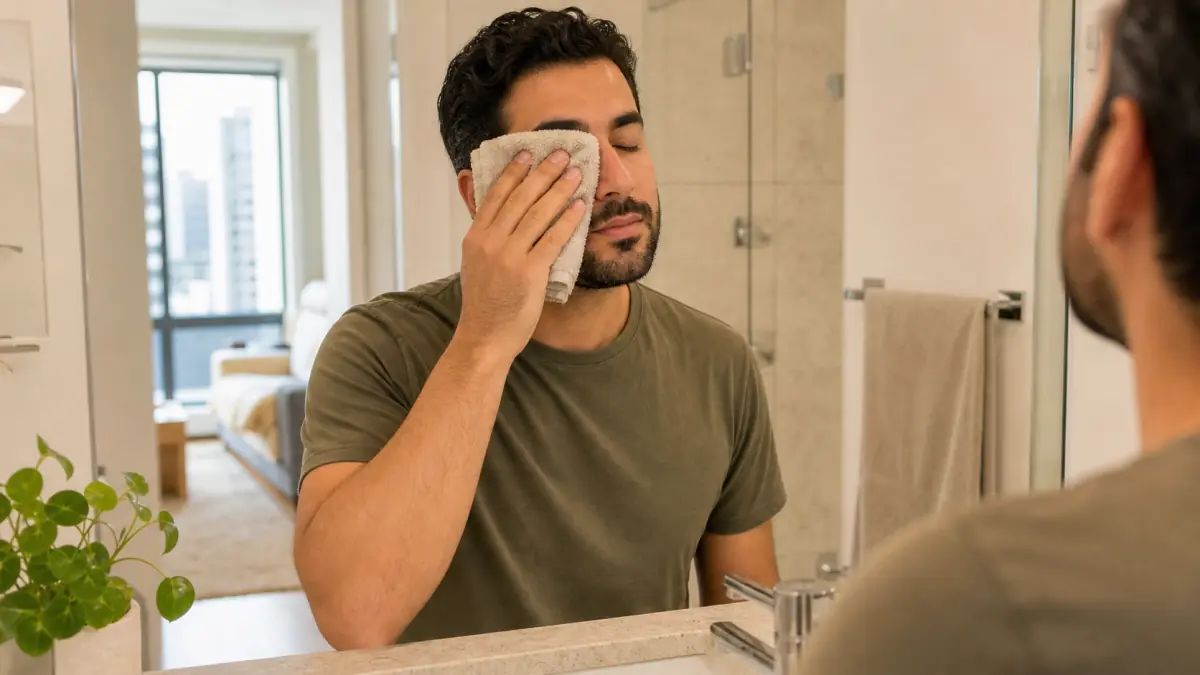
An eyelid bump can appear quickly. You may wake with one tender spot near the lashes, notice swelling while removing makeup, or feel a firm bead inside the lid that seems to have been there for weeks. Many people call every bump a stye, but two common conditions—a stye and a chalazion—have different patterns.
A stye is usually an acute, painful inflammation or infection involving an eyelash follicle or eyelid gland. A chalazion develops when oil remains trapped in a meibomian gland and produces a longer-lasting inflammatory lump. A stye may evolve into a chalazion after the initial tenderness settles, and an inflamed chalazion may briefly resemble a stye, so the distinction is not always obvious from a bathroom mirror.
Most small eyelid bumps are not dangerous, and many improve with time and appropriate warm compresses. The exceptions matter. Swelling that spreads, affects vision, produces eye pain, or returns repeatedly in the same location needs proper assessment. Optima Eye Care provides comprehensive eye exams and urgent eye-care guidance for North York patients who are unsure what an eyelid lump represents.
The eyelids contain rows of tiny oil glands
Each upper and lower eyelid contains meibomian glands that release oil through small openings along the lid margin. That oil forms the outer part of the tear film and slows evaporation. Other small glands sit near the eyelashes and hair follicles.
These openings can become blocked by thickened oil, inflammation, debris, or swelling. When material backs up, the surrounding tissue reacts. The location of the affected gland and whether infection is present influence the appearance and discomfort.
This is also why eyelid bumps can overlap with dry eye and blepharitis. A person may have crusting at the lashes, burning, watery eyes, or unstable vision before a lump develops. Treating only the newest bump without addressing chronic lid inflammation may allow the cycle to repeat.
What does a stye look and feel like?
A stye, medically called a hordeolum, tends to develop over a few days. Common features include:
- a localized red or discoloured bump near the eyelid edge;
- tenderness or pain when blinking or touching the lid;
- swelling around the bump and sometimes across much of the eyelid;
- watering, grittiness, or a foreign-body sensation; and
- a small yellow or white point where material may eventually drain.
An external stye forms closer to the lash line and may look like a pimple centred around an eyelash. An internal stye involves a deeper meibomian gland and may be more visible when the lid is turned over by a trained clinician. Do not repeatedly flip or press a painful lid at home.
A stye is not the same as acne on facial skin. The eyelid is thin, highly vascular, and close to the eye. Acne medication, essential oil, toothpaste, alcohol, and skin antiseptics should not be applied near the ocular surface.
What makes a chalazion different?
A chalazion is a blocked oil gland with ongoing inflammation around retained material. It usually sits farther within the eyelid than a typical external stye. The lump often becomes firm, round, and less painful after the earliest inflammatory stage.
Common clues include:
- a firm bump within the upper or lower lid;
- little or no tenderness once established;
- slow change over several weeks rather than rapid drainage;
- no obvious pimple-like point at the lash line; and
- a heavy sensation or visible contour change in the lid.
A large chalazion can press on the cornea and temporarily alter its shape, causing blur or astigmatism-like distortion. This is more relevant when the lump is large, centrally located, or present in a child whose vision is still developing.
The absence of pain does not prove that a bump is a chalazion. Cysts, benign skin growths, inflamed lashes, and less common eyelid tumours can resemble it. A bump that persists, bleeds, ulcerates, causes lash loss, changes the lid margin, or repeatedly returns to exactly the same spot should be examined.
Can a stye turn into a chalazion?
Yes. The acute pain and redness of a stye may decrease while the gland remains blocked. What is left can feel like a smaller, firm, less tender lump. People sometimes interpret this as a new problem, but it may be the later phase of the same gland obstruction.
The reverse description is also possible in everyday conversation: a quiet chalazion may become inflamed and suddenly hurt. That does not mean every tender chalazion has developed a bacterial infection. The examination looks at the distribution of redness, lid warmth, drainage, eye-surface findings, and general symptoms before deciding whether medication is appropriate.
Warm compresses are useful when done safely
Gentle, sustained warmth can soften thick gland secretions and support natural drainage. It does not “kill” a stye, and it should never be hot enough to sting or redden the skin.
For a simple bump without urgent warning signs:
- Wash and dry your hands.
- Wet a clean washcloth with comfortably warm water and wring it out.
- Close the eye and rest the compress on the lid for about five to ten minutes.
- Rewarm the cloth as it cools, checking the temperature on the inner wrist first.
- Repeat several times during the day if advised and practical.
Use a clean cloth each session. Do not microwave a wet washcloth; uneven hot spots can burn the eyelid. A commercially made reusable mask may retain warmth longer, but follow its instructions and test the temperature before placing it over the eyes.
After warmth, some clinicians recommend very gentle massage toward the lash line for a diagnosed chalazion. Technique varies with the location, and force is unnecessary. Stop if massage causes sharp pain, increasing redness, or vision symptoms. Never pinch the lid between fingernails or try to force material through the skin.
Do not pop, pierce, or cut an eyelid bump
A stye may resemble a pimple, but squeezing it can drive inflammation into surrounding tissue and injure the eyelid. A chalazion often contains thick oil and inflammatory material rather than a pocket that can be safely “popped.”
Needles, lancets, tweezers, and nail tools do not belong near the eye. Home drainage risks bleeding, scarring, infection, corneal injury, and incomplete removal. It can also make the original diagnosis harder to establish.
If a stye drains on its own, allow the material to come away without pressing. Wash your hands, gently clean the lid surface as directed, and use a fresh towel. Contact the clinic if redness or swelling is worsening rather than easing.
Pause contact lenses and eye makeup
Contact lenses may become contaminated by lid secretions, and inserting or removing them adds manipulation to an already inflamed area. Wear glasses until the eye is comfortable and the clinician or product guidance indicates that lens wear can safely resume.
Discard single-use lenses that were worn as the bump developed. Ask whether a reusable lens, case, or solution should be replaced. Do not top up old solution or attempt to disinfect a disposable lens for reuse.
Eye makeup can block gland openings, irritate the lid, and carry bacteria back to the area. Stop eyeliner, mascara, false lashes, adhesive, and cosmetic lid products until healing is complete. Products used during an active infection may need replacement, especially mascara and liquid liner. Never share eye cosmetics or brushes.
Antibiotics are not automatic
Because a stye can involve bacteria, many people assume that every eyelid bump needs antibiotic drops. A localized stye often improves without them, while a chalazion is primarily a blocked-gland inflammatory problem and may not benefit from routine antibiotics.
Medication decisions depend on the examination. An eye-care provider may prescribe an ointment or another treatment when there is drainage, associated blepharitis, surface infection, or evidence that inflammation is spreading. Oral antibiotics may be considered for cellulitis or particular recurrent gland conditions, but they are not a do-it-yourself shortcut.
Do not use leftover antibiotic or antibiotic-steroid drops. The bottle may be contaminated, expired, or wrong for the condition. Steroids can worsen certain infections, delay healing, and raise eye pressure. Even if a medication helped a previous bump, a new lesion deserves its own assessment when the pattern differs.
Why styes and chalazia return
Some people experience a single bump and never have another. Recurrent episodes can be associated with:
- chronic blepharitis or meibomian gland dysfunction;
- rosacea affecting facial and eyelid skin;
- Demodex mites at the lashes;
- frequent eye rubbing or touching with unwashed hands;
- sleeping in eye makeup or using older cosmetics;
- inconsistent contact-lens hygiene;
- thick gland secretions and unstable tears; or
- incomplete resolution of a previous gland blockage.
This list identifies associations, not personal fault. Careful hygiene may reduce avoidable triggers, but recurrence can continue despite good habits when a chronic lid or skin condition is present.
An eye examination may reveal capped gland openings, thick oil, lash debris, abnormal blood vessels along the lid margin, dry spots, or facial rosacea. A longer-term plan may involve specific lid hygiene, tear-film management, prescription treatment, or referral based on the findings. Strong tea tree oil, vinegar, bleach mixtures, and other internet remedies can burn the eyes and should not be improvised.
When a warm compress is not enough
A chalazion can take weeks or longer to become noticeably smaller. If it remains large, affects vision, causes significant discomfort, or creates a persistent cosmetic concern, referral for additional treatment may be appropriate.
Procedural options can include a clinician-administered steroid injection or incision and curettage. These are medical procedures with benefits and risks, not guaranteed instant fixes. The choice depends on lesion size and location, skin pigmentation, previous treatment, recurrence, age, medical history, and the certainty of the diagnosis.
Material removed from an atypical or recurrent lesion may be sent for laboratory examination. This is especially important when the behaviour does not match an ordinary chalazion. A persistent bump should not simply be drained again and again without reconsidering what it is.
Signs the infection may be spreading
A localized stye can make the surrounding lid puffy, but expanding redness and swelling can signal cellulitis. Seek prompt medical assessment if:
- swelling or redness involves the whole lid or spreads toward the cheek or brow;
- pain and tenderness are increasing rather than localizing;
- fever, chills, or a generally unwell feeling develops;
- the eye itself becomes very red or painful;
- vision becomes blurred, doubled, dim, or otherwise changed;
- moving the eye is painful or movement seems restricted;
- the eye appears pushed forward; or
- the eyelid becomes difficult to open because of rapidly increasing swelling.
Pain with eye movement, reduced vision, abnormal eye position, or severe systemic symptoms can indicate infection deeper around the eye and requires emergency assessment. This distinction is particularly important in children, in whom swelling may progress quickly and the history may be less precise.
Do not wait for a scheduled routine appointment if those warning signs develop. Call for immediate direction or go to the emergency department as advised.
Other eyelid bumps can mimic a stye
Not every lump arises from an oil gland. Other possibilities include a skin cyst, papilloma, molluscum lesion, xanthelasma, an inflamed eyelash follicle, a retained foreign body, or a benign growth. Rarely, an eyelid cancer can masquerade as a recurring chalazion.
Features that deserve assessment include:
- bleeding without obvious trauma;
- crusting, ulceration, or a sore that does not heal;
- missing or distorted eyelashes around the lump;
- thickening or notching of the lid margin;
- irregular colour, surface, or growth;
- recurrence in the same location after treatment; and
- a lump that continues to enlarge or does not behave like the original diagnosis.
These signs do not automatically mean cancer. They mean the label “stye” should not be assumed indefinitely. Photographs taken in consistent lighting can help document change, but they do not replace examination under magnification.
Special considerations for children
Children can develop styes and chalazia, especially when they rub their eyes or have blepharitis. A warm compress may be difficult to maintain, so keep the session calm, supervise the temperature, and never hold a child down with a hot cloth near the eye.
A large upper-lid chalazion can press on the cornea and blur vision. Young children may not report that one eye sees differently, and prolonged blur can interfere with visual development. Recurrent, large, or long-lasting lumps in a child should therefore be assessed rather than dismissed as cosmetic.
Seek prompt care for fever, rapidly spreading swelling, pain with eye movement, unusual sleepiness, severe pain, reduced vision, or an eye that appears pushed forward. Do not use a sibling’s or adult’s medication on a child.
A practical prevention routine
No routine prevents every eyelid bump, but these habits reduce avoidable contamination and support gland health:
- Wash hands before touching the eyes or handling contact lenses.
- Remove eye makeup completely before sleep.
- Replace cosmetics according to product guidance and after contamination concerns.
- Do not share makeup, towels, face cloths, or contact-lens supplies.
- Follow the recommended contact-lens cleaning and replacement schedule.
- Manage diagnosed blepharitis or rosacea consistently rather than only during a flare.
- Use only the lid cleanser and warm-compress method recommended for your situation.
- Book an examination when bumps recur instead of repeatedly self-treating without a diagnosis.
Baby shampoo is often suggested online for every lid problem, but it can irritate some eyes and is not tailored to Demodex, allergy, rosacea, or significant gland dysfunction. A commercially prepared lid product is not automatically necessary either. The right approach is the simplest method that safely addresses the findings.
What an eye examination can assess
The optometrist will ask how quickly the bump appeared, whether it hurts, whether it has drained, and whether you have had similar lesions. Bring details about contact lenses, makeup, skin conditions, medications, and treatments already tried.
The examination assesses vision, pupils, eye movement, lid position, lashes, gland openings, surrounding skin, conjunctiva, cornea, and the location and character of the lump. The clinician looks for blepharitis, dry eye, an internal stye, spreading infection, visual effects, and features that do not fit a routine stye or chalazion.
Depending on the result, the plan may be observation, a properly demonstrated compress routine, medication, short-interval follow-up, or referral for a procedure or specialist opinion. A clear baseline is especially useful for a lesion that has persisted or returned.
Stye and chalazion care in North York
A painful bump beside an eyelash is more consistent with a stye, while a firm, quieter lump deeper in the lid is more typical of a chalazion. The distinction guides expectations, but it is not always reliable without an examination.
Optima Eye Care provides eyelid assessments and emergency eye care services for North York patients with new or persistent bumps. The clinic can check the lid glands, eye surface, vision, and surrounding tissues while identifying cases that need medication, follow-up, or ophthalmology referral.
If the bump is not improving, keeps returning, affects vision, or does not look like your previous styes, request an appointment. For rapidly spreading swelling, fever, pain with eye movement, reduced vision, or a protruding eye, seek emergency medical care immediately.