

Eye Care Resources
Sleep Apnea and Eye Health in North York: What to Tell Your Eye-Care Team
August 19, 2025
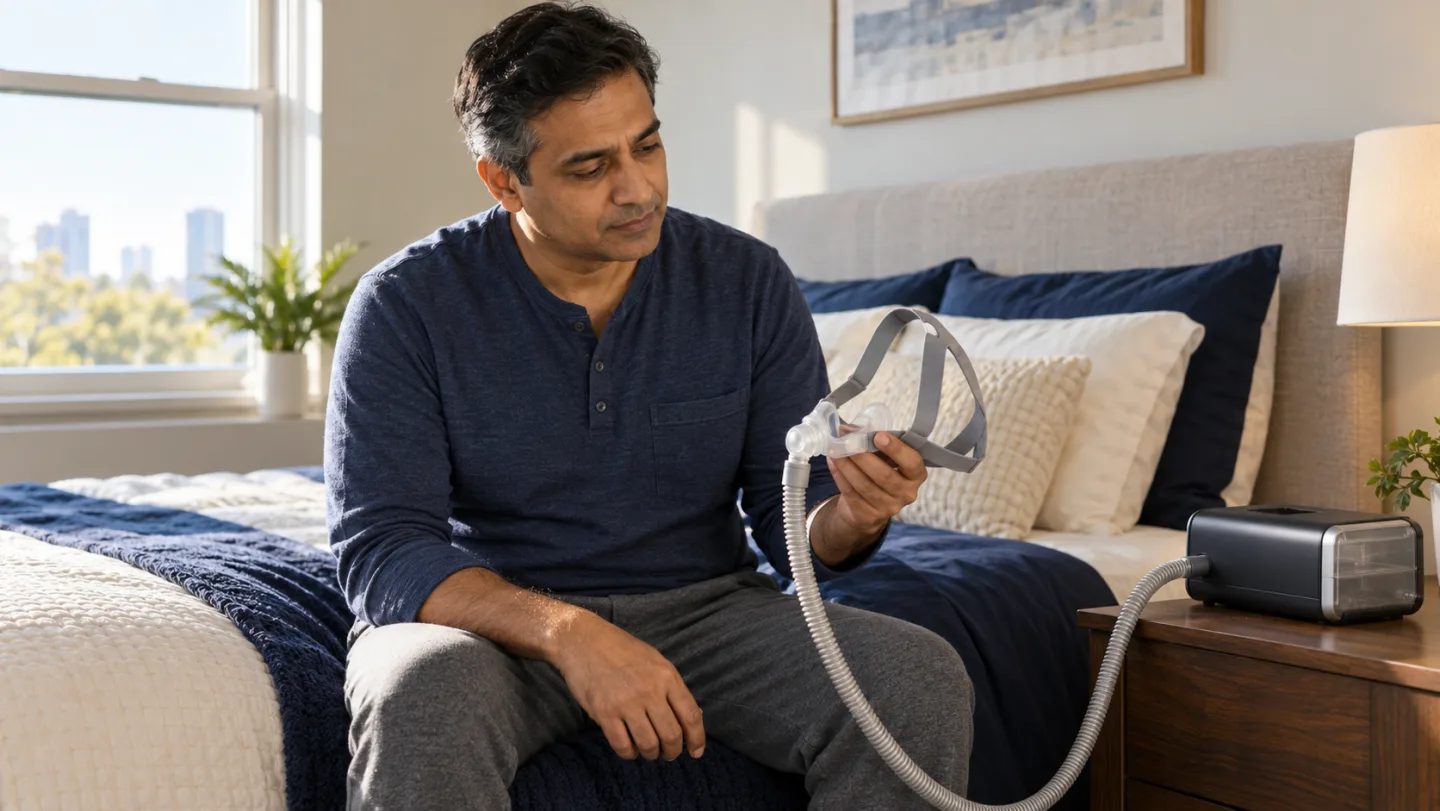
You may think of a sleep apnea appointment and an eye examination as unrelated entries on the calendar. One concerns breathing at night; the other concerns vision. Yet a sleep history can be relevant to eye care, especially when you have persistent morning irritation, known glaucoma or a problem involving the eyelids or optic nerve.
That connection does not mean sleep apnea explains every eye symptom. It also does not mean that using a CPAP machine is a reason to expect eye disease. The useful response is to share the history, assess symptoms properly and coordinate any needed changes with the team managing your sleep treatment.
For people discussing sleep apnea and eye health in North York, this guide focuses on practical communication. Bring the diagnosis and treatment details to your next eye appointment, and seek prompt care for new visual changes rather than assuming they are simply part of being tired.
What obstructive sleep apnea involves
Obstructive sleep apnea occurs when the upper airway repeatedly becomes blocked during sleep. Breathing may stop and restart, disrupting sleep and oxygen delivery. Snoring, gasping and daytime sleepiness can be clues, but diagnosis may require a sleep study. The National Heart, Lung, and Blood Institute overview explains the condition and common treatment approaches.
An eye examination cannot replace that assessment. If an eye-care professional asks about snoring or suggests speaking with your family doctor, they are identifying a possible reason for medical review, not making a sleep diagnosis from the appearance of your eyes.
If you already have a diagnosis, explain when it was made and how it is treated. Mention CPAP, another breathing device, an oral appliance or any other prescribed approach. If treatment has been difficult to use consistently, tell the sleep team rather than quietly abandoning it.
People sometimes leave sleep apnea off a medical history because it feels well controlled. It still belongs on the list. The eye-care professional can decide how it fits with the examination and any existing eye condition.
An association is not a prediction for an individual
Obstructive sleep apnea has been associated with several eye conditions, including floppy eyelid syndrome, glaucoma and nonarteritic anterior ischemic optic neuropathy. The AAO EyeWiki review of ocular manifestations of sleep apnea summarizes these relationships.
An association means the conditions have been observed together more often in research. It does not establish that sleep apnea caused a particular person’s eye problem, or that everyone with sleep apnea will develop it. Your examination, medical history and other risk factors determine the relevance to your care.
Avoid comparing percentages from different studies without context. Research populations can differ in age, severity and other health conditions. A number quoted online may not describe your situation or identify which test you need next.
Instead, ask a focused question: does my sleep history change what you recommend monitoring? That invites an individualized answer. The response may be routine follow-up, a closer look at a particular finding or communication with another clinician.
Morning irritation needs a description, not a guess
If your eyes are sore on waking, note whether one or both are affected and how long the discomfort lasts. Describe grittiness, redness, watering, crusting or blur separately. Mention whether symptoms began before or after a change in your sleep equipment.
A short record can help. For a few ordinary mornings, note the symptom and any obvious equipment issue, such as air felt near an eye. Do not deliberately stop prescribed therapy to create a comparison. The sleep-care team can advise how to investigate a possible leak safely.
Bring the names of eye drops and other products you use at bedtime. Include contact lens habits and any previous eyelid or corneal condition. Several factors can affect the surface, so the examination should not begin with the assumption that the mask is the only explanation.
If the pain is sharp, severe or accompanied by reduced vision, seek prompt assessment. Repeated morning pain can have causes that need specific treatment. Our recurrent corneal erosion guide explains one possible pattern, but it cannot establish the cause of your symptoms.
CPAP air leaks are worth troubleshooting properly
Air escaping from a poorly positioned mask toward the eyes can cause soreness or dryness. The Rotherham NHS patient guide to CPAP recommends adjustment and, when needed, review for refitting.
Tell the equipment provider where you feel the leak and when it happens. It may occur only in a particular sleeping position or after the mask shifts. A clear description is more useful than saying that the whole machine is uncomfortable.
Follow the fitting and cleaning instructions supplied for your equipment. Do not block vents, alter prescribed pressure settings or add unapproved materials around the mask to seal a leak. Ask the sleep team which adjustments you can make yourself and when a different fit or replacement component should be considered.
Continue the treatment plan unless your treating clinician advises otherwise. If eye discomfort makes use difficult, contact the sleep team and eye-care professional promptly so that the problem can be addressed. Stopping therapy without a plan leaves the underlying sleep condition unmanaged.
The eyelids may need their own assessment
Floppy eyelid syndrome involves unusually lax eyelid tissue and can contribute to surface irritation. It has a recognized association with obstructive sleep apnea. The AAO overview of floppy eyelid syndrome describes assessment and management considerations.
Do not try to diagnose the condition by repeatedly pulling or turning the eyelid at home. Tell the clinician what you notice during ordinary life: persistent redness, irritation after sleep or a partner’s observation that an eyelid looks unusual overnight.
Ask whether the examination shows an eyelid problem and how it relates to the surface symptoms. If protection at night is suggested, request a demonstration of the appropriate method. Improvised taping or pressure around the eye may create a different problem.
If referral is recommended, clarify its purpose. The specialist may be assessing the eyelid, the cornea or another part of the eye. Knowing the reason helps you prepare the right questions and understand what will be reviewed afterward.
Glaucoma monitoring should remain individualized
Glaucoma can damage the optic nerve and may have few early symptoms. Assessment can involve eye pressure, optic nerve examination and visual field testing, among other measures. The National Eye Institute glaucoma guide explains why examination matters even when everyday vision seems unchanged.
If you have glaucoma or are being monitored as a suspect, tell the clinician about sleep apnea and its treatment. Ask whether that history changes the follow-up plan. Do not assume that a single pressure measurement describes all aspects of optic nerve health.
If you encounter online claims about CPAP and eye pressure, bring them to the treating teams rather than changing equipment settings. The decision needs to consider the established need for sleep treatment and your actual eye findings. General claims cannot resolve that balance for an individual.
Keep scheduled eye reviews and prescribed glaucoma treatment. If several appointments are being coordinated, write down which clinician is following the optic nerve and when the next assessment is due. This prevents a gap caused by assuming the sleep clinic is also monitoring the eyes.
Sudden visual loss should never wait for a sleep review
Sleep apnea is associated with some optic nerve conditions, but a person cannot identify the cause of sudden visual loss at home. New dimming, a missing area of vision or a sudden major difference between the eyes needs urgent assessment, even if it occurs on waking and is painless.
Seek emergency eye or medical care promptly. If vision changes occur with weakness, facial drooping, difficulty speaking or a severe new headache, call emergency services. Do not wait to see whether another night of better sleep makes the problem disappear.
Bring the sleep diagnosis and medication list if readily available, but do not delay care while gathering records. Tell the receiving team when you last knew vision was normal and when the change was first noticed.
Arrange safe transportation. A person whose vision is reduced or who is excessively sleepy should not drive to test whether they can manage. Ask someone to help you reach the appropriate service.
Make the handover between teams useful
At an eye appointment, ask whether any finding should be communicated to the family doctor or sleep specialist. Confirm the correct clinician and contact details. If the concern is equipment fit, ask whether a summary would help the provider understand the symptom.
At the sleep appointment, explain the eye findings and any recommended surface care. Bring the names of prescribed drops or ointments rather than saying that you were given something for dryness. If instructions seem to conflict, ask the teams to clarify the plan.
Keep one short record containing the sleep diagnosis, treatment type, relevant eye diagnosis and follow-up dates. You do not need to collect every technical value. The aim is to help a new clinician understand the history without relying on memory alone.
For North York residents moving between clinics, work and family commitments, a written plan also makes scheduling easier. Ask which appointment should happen first if one assessment depends on the results of another.
Turn the next visit into a focused conversation
Prepare three points: what your eyes are doing, how sleep apnea is currently treated and what you want help resolving. That might be morning soreness, a possible mask leak or understanding an optic nerve monitoring plan.
If symptoms improve after a professionally guided adjustment, report that at follow-up. If they persist, say so rather than continuing to assume the original explanation was correct. The next examination can consider whether another factor needs attention.
To discuss sleep-related eye concerns, request an appointment at Optima Eye Care or call (416) 497-3705. Mention your sleep apnea history when booking. Coordinated care begins with sharing the information, checking the eyes and keeping prescribed sleep treatment connected to the wider medical plan.