
Eye Care Resources
Senior Eye Care in North York: What Changes Are Normal and What Needs Attention
December 24, 2025
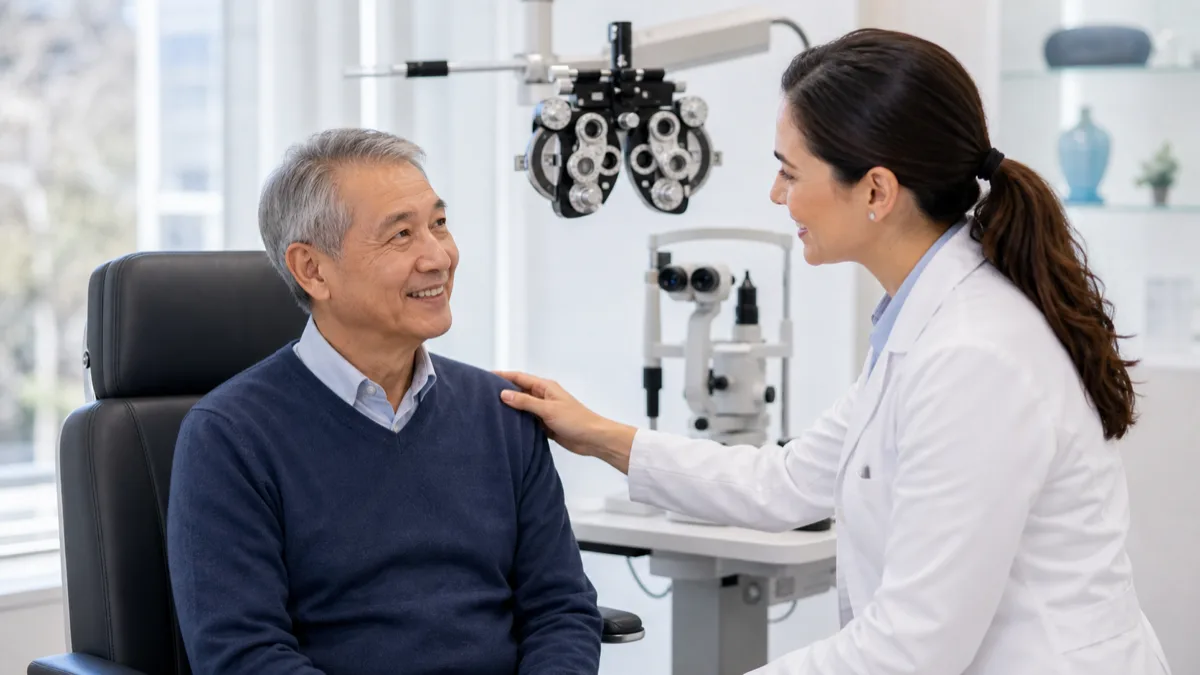
Vision changes with age, but not every change should be dismissed as normal aging. Some changes are expected, such as needing more light to read or needing help with near focus. Others may signal cataracts, glaucoma, macular degeneration, diabetic eye disease, dry eye, or retinal concerns. Senior eye care is about separating ordinary age-related changes from conditions that need monitoring or treatment.
Good vision supports independence. It affects reading, driving, mobility, medication management, cooking, hobbies, social connection, and fall prevention. When vision becomes less clear, many people gradually adapt by avoiding night driving, using brighter lights, or giving up activities. A comprehensive eye exam can identify whether updated glasses, treatment, referral, or monitoring may help.
At Optima Eye Care in North York, senior eye exams focus on both vision and eye health. The goal is to support daily function and detect conditions that may not cause symptoms early.
Presbyopia and near vision
Presbyopia is the age-related loss of near focusing ability. It usually becomes noticeable in the 40s and continues changing over time. You may hold menus farther away, need brighter light, or use reading glasses. This change is normal and happens because the natural lens inside the eye becomes less flexible.
Presbyopia can be managed with reading glasses, bifocals, progressives, office lenses, contact lenses, or other solutions depending on your needs. The right option depends on how you use your eyes. Someone who reads books for hours may need a different lens design than someone who moves between driving, computer work, and phone use all day.
If near vision suddenly changes or one eye behaves differently, book an exam. Presbyopia is gradual. Sudden changes deserve attention.
Cataracts
Cataracts are common with age. They occur when the natural lens becomes cloudy. Symptoms may include blurry vision, glare, halos, faded colours, poor night driving, and needing more light to read. Some cataracts cause frequent prescription changes.
Early cataracts may be monitored, and updated glasses may help. More advanced cataracts may require referral for surgical consultation if they interfere with daily activities. The timing is personal. A person who drives often at night may be affected sooner than someone with different visual demands.
An eye exam helps determine whether cataracts are the main cause of symptoms or whether other eye conditions are also involved.
Glaucoma
Glaucoma can damage the optic nerve, often without early symptoms. Peripheral vision may be affected gradually, while central vision remains clear for a long time. This makes regular exams especially important for seniors.
Glaucoma risk increases with age and family history. Eye pressure is one risk factor, but optic nerve appearance, visual fields, imaging, and other factors also matter. A normal pressure reading does not always rule out glaucoma.
If glaucoma is suspected or diagnosed, monitoring and treatment are aimed at slowing progression and protecting remaining vision. Because lost vision usually cannot be restored, early detection matters.
Macular degeneration
Age-related macular degeneration affects the macula, the central part of the retina used for detailed vision. It can make reading, recognizing faces, and seeing fine detail more difficult. Early stages may be subtle, while advanced stages can significantly affect central vision.
Symptoms can include distortion, missing spots, blurred central vision, or difficulty with contrast. Straight lines may appear wavy. If you notice distortion or a new central spot, book promptly.
Regular eye exams can detect macular changes and guide monitoring. Lifestyle factors, nutrition discussions, retinal imaging, and referral may be part of care depending on findings.
Diabetic eye disease
Many seniors live with diabetes or prediabetes. Diabetes can affect retinal blood vessels before vision changes are noticeable. Regular diabetic eye exams are important even when vision seems stable.
Your optometrist may assess the retina with imaging, dilation, or other tools. If diabetic changes are present, follow-up timing may change, and communication with your medical team may be recommended.
Blood sugar, blood pressure, and cholesterol all affect blood vessel health. Eye care is one part of a broader health plan.
Dry eye
Dry eye becomes more common with age. Hormonal changes, medications, eyelid gland dysfunction, screen use, indoor heating, and health conditions can all contribute. Symptoms include burning, watering, redness, gritty feeling, fluctuating vision, and discomfort with reading or screens.
Many seniors use multiple medications, some of which can affect tear production or dryness. Bring a medication list to your eye exam. Do not stop medications because of dry eye symptoms, but let your optometrist know what you take.
Dry eye treatment should match the cause. Drops may help, but eyelid care, prescription therapy, or environmental changes may also be needed.
Falls and mobility
Vision plays a role in balance, depth perception, contrast sensitivity, and confidence while moving. Outdated glasses, poor lighting, cataracts, visual field loss, and reduced contrast can increase difficulty with stairs, curbs, and uneven surfaces.
Seniors should ensure glasses are current and appropriate for the task. Progressive lenses are convenient, but some people need caution on stairs because the lower portion of the lens is designed for near vision. Good lighting at home can also reduce risk.
If you have fallen or feel less confident walking, mention it during your eye exam. Vision may not be the only factor, but it is worth checking.
Driving and vision
Driving depends on clear distance vision, peripheral awareness, contrast, night vision, and glare control. Seniors may notice difficulty with headlights, rain, dusk, or unfamiliar roads. These concerns can come from cataracts, prescription changes, dry eye, macular disease, or other conditions.
If driving feels harder, book an eye exam rather than simply avoiding the issue. Updated glasses, anti-reflective lenses, cataract referral, or eye disease management may help. In some cases, driving restrictions or changes are necessary for safety.
Honest conversations about driving can be emotional. The goal is to support independence while protecting the patient and community.
Medication and health history
Eye exams should include a review of health history and medications. High blood pressure, diabetes, autoimmune disease, thyroid disease, stroke history, and medications can all influence eye health. Family history of glaucoma or macular degeneration is also important.
Bring a medication list or keep one on your phone. Include eye drops, supplements, and over-the-counter medications. The more complete the information, the better your optometrist can understand risk.
If another doctor has asked for eye monitoring because of a medication or condition, mention it when booking and during the exam.
It is also helpful to mention recent falls, hospital stays, medication changes, or new diagnoses. Vision does not exist separately from the rest of the body. A change in balance, blood sugar, blood pressure, or neurological health can influence how someone sees and moves through the world.
Family members can support senior eye care by watching for practical changes. Difficulty reading labels, mixing up medications, avoiding stairs, missing objects on one side, or needing unusually bright light may all be clues. These observations do not replace an exam, but they help describe the real-world impact of vision changes.
Low vision and practical support
Some seniors have vision loss that cannot be fully corrected with standard glasses, especially when retinal or optic nerve disease is involved. In those cases, the goal becomes maximizing remaining vision and improving safety. Better lighting, magnification, contrast enhancements, large-print materials, and task-specific strategies may help.
Low vision support is not the same as giving up. It is a practical approach to maintaining independence. If regular glasses no longer make reading, hobbies, or daily tasks comfortable, ask what additional tools or referrals may be appropriate.
How often should seniors have eye exams?
Exam frequency depends on age, eye health, medical history, symptoms, and risk factors. Many seniors benefit from regular comprehensive eye exams, and those with diabetes, glaucoma risk, macular degeneration, cataracts, or other conditions may need closer monitoring.
Do not wait until vision is poor. Eye exams are preventive as well as corrective. They can detect quiet conditions, monitor known issues, and help keep glasses useful.
Book sooner for sudden changes, pain, flashes, new floaters, distortion, double vision, vision loss, or a curtain-like shadow. These symptoms should not wait for a routine checkup.
The bottom line
Senior eye care is about protecting independence, comfort, safety, and quality of life. Some age-related changes are normal, but cataracts, glaucoma, macular degeneration, diabetic eye disease, dry eye, and retinal problems need proper assessment.
Optima Eye Care provides comprehensive eye exams for seniors in North York and Toronto. If you or a family member has noticed changes in reading, driving, mobility, glare, or daily vision, book an exam and get clear guidance.