

Eye Care Resources
Polarized Sunglasses in North York: Choosing for Glare and Daily Use
November 9, 2026
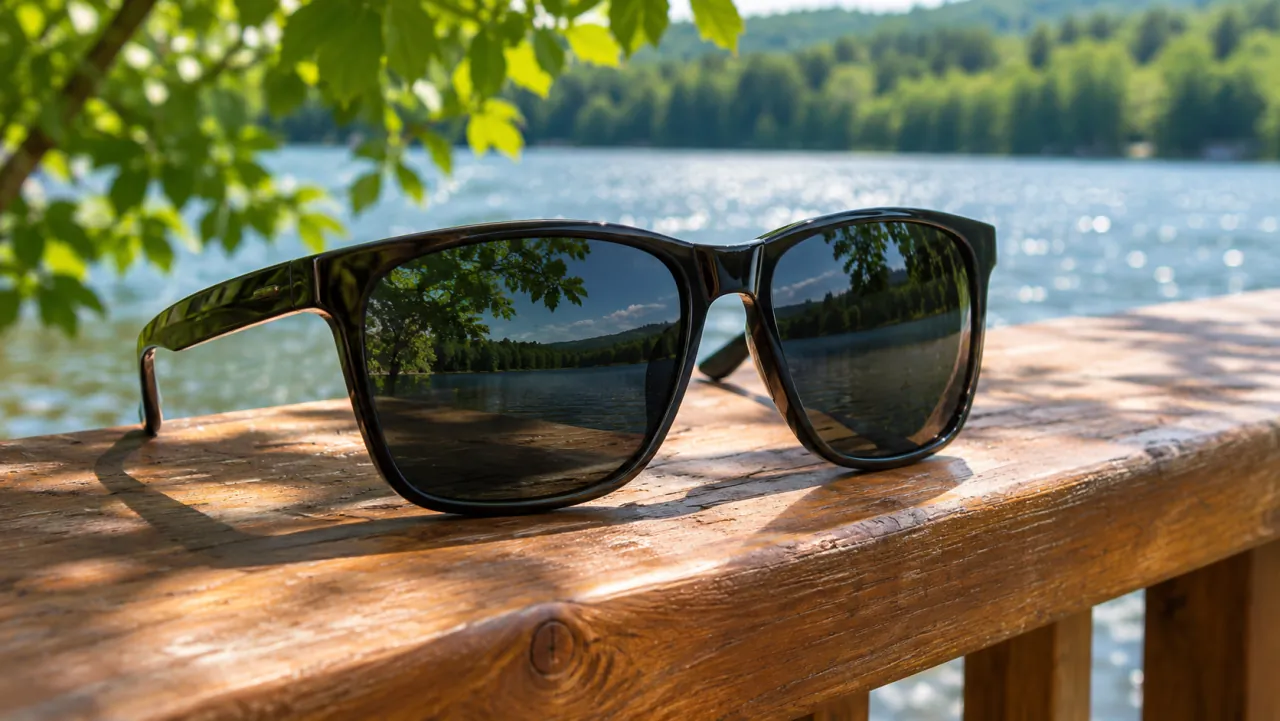
Not all bright light feels the same. A clear sky can make you squint, but the sharp reflection from a wet road or the surface of water can be especially distracting. Turning away helps briefly; choosing a darker ordinary lens may reduce brightness without changing the reflection in quite the way you expected.
Polarized sunglasses are designed to reduce particular reflected glare. They can make many outdoor situations more comfortable, but the word “polarized” does not answer every question about protection, prescription accuracy or suitability for an activity. It also does not guarantee that every screen will remain easy to read.
If you are choosing polarized sunglasses in North York, begin with where you will use them. A pair for everyday walking, a long driving commute and a specialized job may need different features. Understanding what polarization contributes makes it easier to choose a useful pair without expecting one lens to solve every visual problem.
Why reflected light can be so uncomfortable
Light reflected from a relatively smooth horizontal surface can become strongly oriented in a particular direction. A polarizing filter selectively reduces light with a corresponding orientation. In everyday terms, it can cut the bright sheen that partly hides detail on water, pavement and other reflective surfaces.
This is different from merely making the whole scene darker. A conventional sunglass tint reduces the amount of visible light reaching the eyes; polarization adds a selective filtering effect. The American Academy of Ophthalmology describes this distinction in its sunglasses guidance.
The strength of the benefit depends on the surface, viewing angle and lighting. You should not expect every source of glare to disappear. Light entering around the frame, dirty lenses, an outdated prescription and changes inside the eye can still affect comfort and clarity.
Check ultraviolet protection separately
Polarization and ultraviolet protection are different lens properties. Confirm that the sunglasses provide 100 percent UVA and UVB protection, or equivalent verified UV400 protection, rather than inferring it from the polarized label. A very dark lens does not prove a specific UV rating either.
The American Optometric Association’s UV protection guidance recommends protective sunglasses and a wide-brimmed hat outdoors. The practical lesson is to assess the complete arrangement: the lens rating, how the frame covers your eyes, and whether it stays in place.
Ask the seller for the actual protection information if the labelling is vague. Brand familiarity, a mirrored surface and a high price are not substitutes for a clear specification. If you already own a favourite pair and do not know its protection level, ask an optical professional what can be checked.
Driving: useful glare reduction with a few checks
Daytime drivers may appreciate reduced reflections from roads, vehicle surfaces and wet pavement. Prescription polarized sunglasses can also preserve the distance correction needed to see signs clearly. The benefit should be assessed in the context of your own car and normal driving conditions.
Check the dashboard, navigation display and any head-up display while the vehicle is safely parked. Some displays become darker or change appearance through a polarizing lens, particularly when the head is tilted. The Academy discusses display interactions in its prescription sunglasses guide.
Keep an appropriate clear prescription pair available when daylight fades. Dark sunglasses reduce the light reaching the eyes and should not be treated as a solution for night-driving glare. If headlights have become unusually troublesome, arrange an examination rather than simply searching for a stronger tint.
Test screens in the position you actually use them
A quick glance at a phone held vertically does not tell you how it will look on a dashboard mount or when rotated sideways. Bring the devices you rely on, or ask whether you can compare them with a demonstration lens before ordering.
Look at the screen from your usual viewing angle. Rotate the device and tilt your head gently. A change in brightness or a dark patch can reflect the interaction between the display and the lens filter, rather than a fault in either product.
This matters beyond phones. Outdoor payment terminals, camera screens, instrument displays and equipment controls may be part of your day. If reliable visibility of a particular display is essential, test that situation specifically and follow the equipment manufacturer’s or workplace’s guidance.
Outdoor recreation is not one category
Polarization can be helpful near water, where surface reflections may obscure what lies beneath. It can also improve comfort during some walks and outdoor activities. However, choosing recreational eyewear involves more than evaluating the view while standing still.
Ask how the frame behaves when you move, perspire or look down. Consider whether it works with a helmet, whether the temples cause pressure, and whether the lenses provide enough coverage from the side. A pair that feels comfortable for two minutes in a mirror may feel different after an hour outside.
For sports with an impact risk, use suitable protective eyewear rated for the activity. Ordinary sunglasses should not be assumed to provide sport-specific protection just because the lenses are made from a relatively impact-resistant material. The whole assembly, including the frame, matters.
Specialized activities may need different advice
Some jobs and activities depend on seeing particular reflections or displays. Aviation is a clear example: the Federal Aviation Administration’s sunglasses guidance for pilots cautions about polarized lenses because of interactions with instruments and cockpit materials. That is a specialized recommendation, not a reason everyone must avoid polarization.
The broader lesson is to identify the visual task before buying. If your work includes operating equipment, monitoring screens outdoors or following a workplace eyewear policy, bring those requirements to the dispenser. Do not assume that the most comfortable casual sunglasses are automatically suitable protective equipment.
For winter activities, consider how you identify terrain and surface changes, and seek sport-specific advice where needed. The best choice depends on the environment and the protective system, including goggles or a helmet. A generic claim that polarized lenses are always best for snow overlooks those differences.
Lens colour is a comfort choice with tradeoffs
Grey, brown and other tints change the appearance of the scene differently. Some wearers prefer a relatively neutral view; others enjoy a warmer appearance. Your preference matters, but it should be evaluated alongside the amount of light transmitted and the intended use.
Try samples in meaningful lighting when possible. A tint that looks appealing indoors may feel too dark in shade or too light in very bright conditions. Ask whether the sample represents the exact lens colour and material that will be supplied in your prescription.
Avoid interpreting colour as a medical treatment. A tint does not diagnose or cure the reason for headaches, visual discomfort or new light sensitivity. If those symptoms are recurring, discuss them during an eye examination rather than relying on product selection alone.
Prescription sunglasses need the same fitting care
The prescription should suit the task, and the lenses need to be positioned appropriately in front of the eyes. Pupillary measurements, frame fit and the intended optical design remain important even when the lenses are dark enough to hide some of the fitting details from view.
A strongly wrapped frame can require particular consideration. Not every prescription works equally well in every curve or lens size. Ask whether the selected shape is suitable and whether any design adjustments are needed. A smaller or less curved alternative may provide a more straightforward result for some prescriptions.
If you use progressives, discuss how you will read a phone or dashboard and look into the distance. A pair that supports outdoor walking may also need usable near vision for tickets, menus or a map. Explain the actual tasks instead of assuming your everyday design can simply be copied without review.
Fit determines whether you keep wearing them
Sunglasses that slide, pinch or touch the cheeks often spend more time in a bag than on the face. During selection, check the bridge, temple pressure and stability while looking down. Move your head naturally rather than holding a careful pose in front of the mirror.
Consider coverage at the top and sides. A frame does not need to be oversized to fit well, but substantial gaps may allow uncomfortable light around the lenses. A hat can complement the eyewear, particularly during prolonged outdoor time.
Try the pair with equipment you regularly wear, such as a helmet or headset. Small pressure points can become noticeable after extended use. If a frame only feels secure when it is uncomfortably tight, a different fit may be more useful than repeated adjustments to an unsuitable shape.
Keep the view clear after purchase
A polarized lens still needs careful cleaning. Follow the supplied instructions, remove visible particles gently, and use compatible lens-care products with a clean optical cloth. A coating does not make the surface immune to grit or household chemicals.
Store the sunglasses in a protective case rather than loose beside keys. Avoid leaving them on a hot dashboard. If they become bent or a lens is scratched in your line of sight, arrange an inspection. Distorted fit and damaged surfaces can undermine the clarity that motivated the purchase.
Keep a note of the lens specification with the order. If you later want a replacement, “polarized brown” may not fully describe the original tint, design, material or prescription. Good records help you compare like with like rather than guessing why a new pair feels different.
Make a practical comparison before deciding
Compare a polarized option with a suitable non-polarized sunglass option if possible. Look at a reflective surface, then check a screen and a shaded area. The aim is to discover whether the filtering effect supports your main activities, not simply to choose the pair that looks darkest in a display.
Ask about UV protection, prescription suitability, fit and the practice’s adjustment arrangements. If the pair is intended for a specific job or sport, confirm those requirements before ordering. Keep the conversation focused on the situations that determine whether you will wear the glasses comfortably and consistently.
At Optima Eye Care, a discussion of eyewear can begin with your commute, outdoor habits and current prescription. If your distance vision has changed, review prescription updates and request an appointment. For North York residents, the most useful sunglasses are the ones that provide appropriate protection and a dependable view through the ordinary activities of the day.