

Eye Care Resources
High Blood Pressure and Eye Health in North York: Connecting Your Care
April 16, 2025
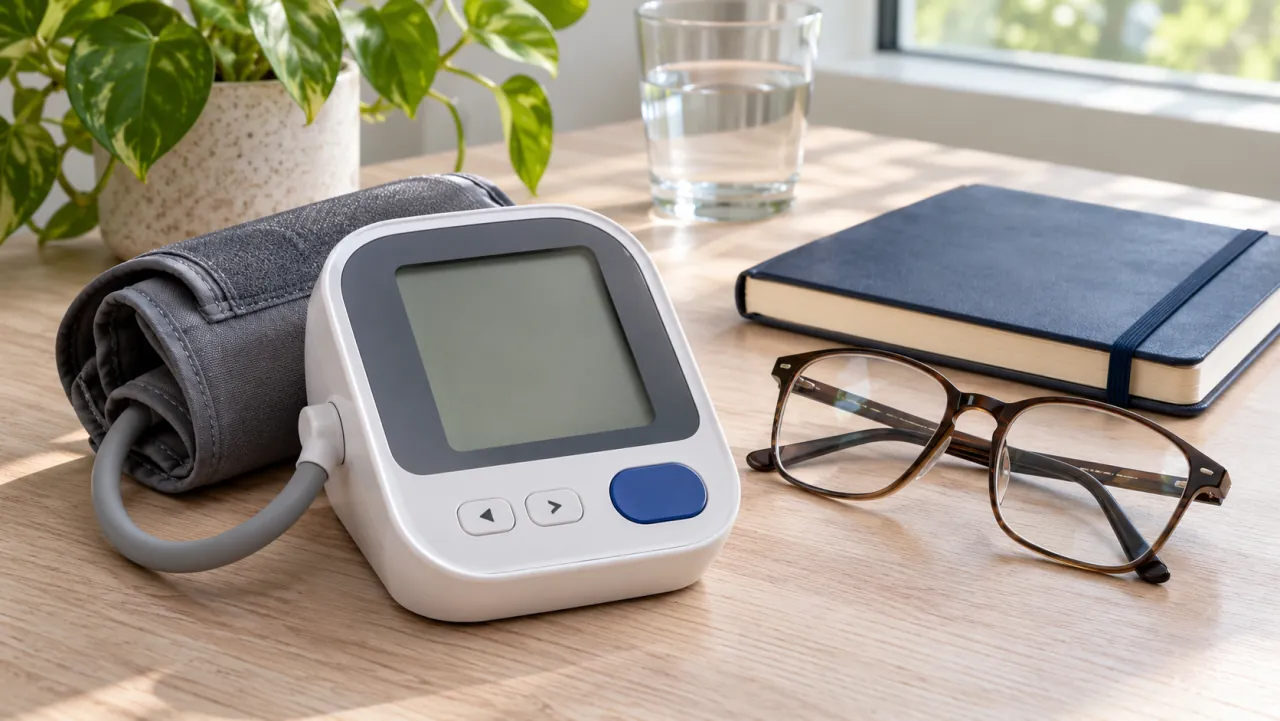
A blood pressure appointment and an eye examination may sit in different places on your calendar, but the information from one can matter to the other. If an optometrist mentions changes in the small blood vessels at the back of your eyes, the next step may involve your family physician as well as further eye assessment. That can be surprising when your original reason for visiting was a glasses update.
For adults managing high blood pressure in North York, the useful question is how these appointments fit together. An eye examination cannot replace medical blood pressure management, and a comfortable pair of glasses cannot establish that the retina is healthy. Each visit answers a different question.
This guide explains what to bring, how to interpret the conversation and which symptoms should interrupt the usual appointment schedule. If you currently have sudden vision loss, severe eye pain or possible stroke symptoms, seek urgent medical care rather than waiting to finish reading.
Why blood pressure belongs in your eye history
The retina contains delicate blood vessels. Uncontrolled high blood pressure can damage those vessels, interfere with the retina’s blood supply and, in severe circumstances, affect the optic nerve. Retinal changes associated with elevated blood pressure are called hypertensive retinopathy. Some people have no obvious visual symptoms. The American Heart Association explains the connection between blood pressure and vision.
Tell the examiner if you have been diagnosed with hypertension, even when treatment has brought your readings into the range your physician recommended. Also mention diabetes, kidney disease and previous vascular problems. Your current situation includes both the diagnosis and how it is being managed.
Avoid trying to remember every reading from the last year. A brief record of recent measurements and the name of the clinician managing them is more useful. If your physician has given you a personal target or monitoring plan, bring that information without assuming it applies to someone else in your household.
An eye finding is information, not a complete medical diagnosis
Being told that a vessel looks narrowed or that there is a small retinal haemorrhage can feel alarming. Ask the optometrist what was actually observed, whether it is new and what further assessment is recommended. Different retinal findings can have different explanations; a single phrase from the examination should not become a diagnosis you make yourself.
It is helpful to separate three questions. What does the eye examination show? How urgent is the next step? Who is responsible for arranging it? Clear answers prevent an uncertain recommendation from disappearing between two offices.
Request a written summary if medical follow-up is needed. A report describing the findings helps your family physician interpret the concern without relying on your memory of unfamiliar terminology. Ask whether the eye care office will send the report directly and whether you should also keep a copy.
If no pressure-related damage is found, continue your medical plan. A reassuring retinal examination does not establish that blood pressure is always controlled or remove the need for prescribed treatment. Think of the result as one piece of useful information about the eyes at that visit.
Blood pressure and eye pressure are different measurements
The word pressure causes understandable confusion. Blood pressure refers to the force of blood within the circulatory system. Intraocular pressure is the pressure inside the eye. They are measured differently and are interpreted in different clinical contexts.
Eye pressure is relevant to glaucoma assessment, but glaucoma cannot be diagnosed or excluded from the blood pressure cuff reading. Equally, a satisfactory eye pressure measurement does not tell your family physician whether hypertension is controlled. The National Eye Institute describes eye pressure as one part of glaucoma assessment.
When you receive numbers at an appointment, ask which measurement is being discussed. Write the name beside the number if you plan to share it with another clinician. A note that says only “pressure was fine” is much less useful than a clear record of the actual test.
Our guide to ocular hypertension in North York addresses raised pressure within the eye. Keeping the two subjects distinct makes it easier to follow both care plans without assuming that treatment for one automatically handles the other.
Prepare a medication list that reflects real use
Bring the names and doses of prescribed medicines, along with non-prescription products and supplements. If you occasionally miss doses or have trouble with side effects, tell the prescribing clinician plainly. The purpose of the conversation is to make treatment workable, not to produce a perfect-looking record.
Include medicines prescribed by specialists, not just your family physician. A photograph of the labels can be convenient, provided it is current and readable. If a family member helps organize medication, ask them to confirm any recent changes before the appointment.
Do not stop, double or move blood pressure medication because of an online explanation about circulation to the eye. Individual decisions depend on your wider medical circumstances. If the eye care team raises a concern, ask how it will be communicated to the person prescribing the medication.
Medication questions can be specific: should the prescriber review a new symptom, does an eye finding change the follow-up plan, and who will explain any proposed change? These questions are more productive than asking whether every tablet is good or bad for the eyes in general.
Recognize a change that should not wait
Sudden loss of vision, a new missing area of sight or a major unexplained reduction in clarity needs urgent assessment. Do not assume it is a temporary effect of your blood pressure or wait to see whether a home reading settles. Retinal and neurological problems can occur without eye pain.
Call emergency services for possible stroke symptoms, such as sudden facial weakness, arm weakness, difficulty speaking or a sudden visual disturbance with other neurological changes. The Heart and Stroke Foundation describes stroke warning signs and the importance of immediate action.
If a very high blood pressure reading occurs with vision changes, chest pain, shortness of breath, severe headache or neurological symptoms, seek emergency medical care. Do not drive yourself when vision or neurological function is impaired. Follow any specific emergency instructions already provided by your treating physician.
When calling an eye care office about a new symptom, lead with what changed and when. Saying “my left eye suddenly went dim this morning” conveys the concern more effectively than requesting an appointment for hypertension. Reception staff need the symptom information to help direct the call appropriately.
Understand the purpose of additional retinal testing
Following an examination, the clinician may recommend photographs, OCT imaging or a specialist assessment. Ask which finding the test is intended to clarify. A scan may document a baseline, examine swelling or help compare a change over time; the reason matters more than the machine’s name.
If the recommendation is a referral, confirm whether you should expect a telephone call and what to do if no appointment arrives. Ask how soon the clinician expects the assessment to happen. Avoid interpreting a referral as either a guarantee of serious damage or reassurance that there is no urgency.
Bring previous reports if care has moved between offices. A useful comparison depends on knowing when earlier images were taken and what was found then. If records are requested, give the office the correct contact details and mention any upcoming appointment that makes timing important.
Our explanation of OCT retinal imaging can help you prepare questions. Imaging supports an examination; it does not make a new symptom safe to ignore simply because a previous scan was reassuring.
Make a shared plan practical in North York
Managing several appointments is easier when each has a clear purpose. Keep one calendar entry for the eye examination, another for the physician’s blood pressure review and a separate reminder for any requested testing. Include the office location and whether transportation needs arranging.
If dilation is expected, ask about temporary effects and plan a suitable way home. Allow enough time for a visit near Sheppard or Finch without making assumptions about how quickly the examination will finish. Rushing to return to work can make it harder to absorb instructions or ask an important question.
For a parent or older relative, agree on the kind of help they want. You might organize transport, write down the next appointment or join the discussion with permission. Supporting the process does not require taking over every decision or discussing private health information with people who do not need it.
At the end of each visit, repeat the next step in your own words. If the physician is adjusting medication while the optometrist is monitoring the retina, make sure both plans remain visible. A successful handover includes a responsible person and a timeframe, not just a general suggestion to follow up.
Keep everyday habits connected to your medical advice
People often ask for a special food or eye supplement that will protect against hypertension-related damage. Start instead with the blood pressure management plan agreed with your physician. Discuss realistic changes to food choices, activity, smoking and medication use in that setting rather than adding a separate eye-health regimen on your own.
Choose a manageable next action. It may be taking readings as instructed, arranging a medication review or finding a routine that makes appointments easier to attend. A complicated tracking system is unnecessary if it creates more work than information.
Tell your clinicians about barriers. Shift work, caregiving, difficulty reading labels or the cost of transportation can affect follow-through. These are practical care issues worth discussing, especially when recommendations involve several visits across Toronto.
For routine eye assessment, learn about our comprehensive eye examinations or request an appointment. Bring your medical history and current medication information. If a sudden change is happening now, contact an urgent care service directly rather than relying on a routine online booking request.