

Eye Care Resources
Eye Makeup Hygiene in North York: Safer Habits Around Your Eyes
June 10, 2025
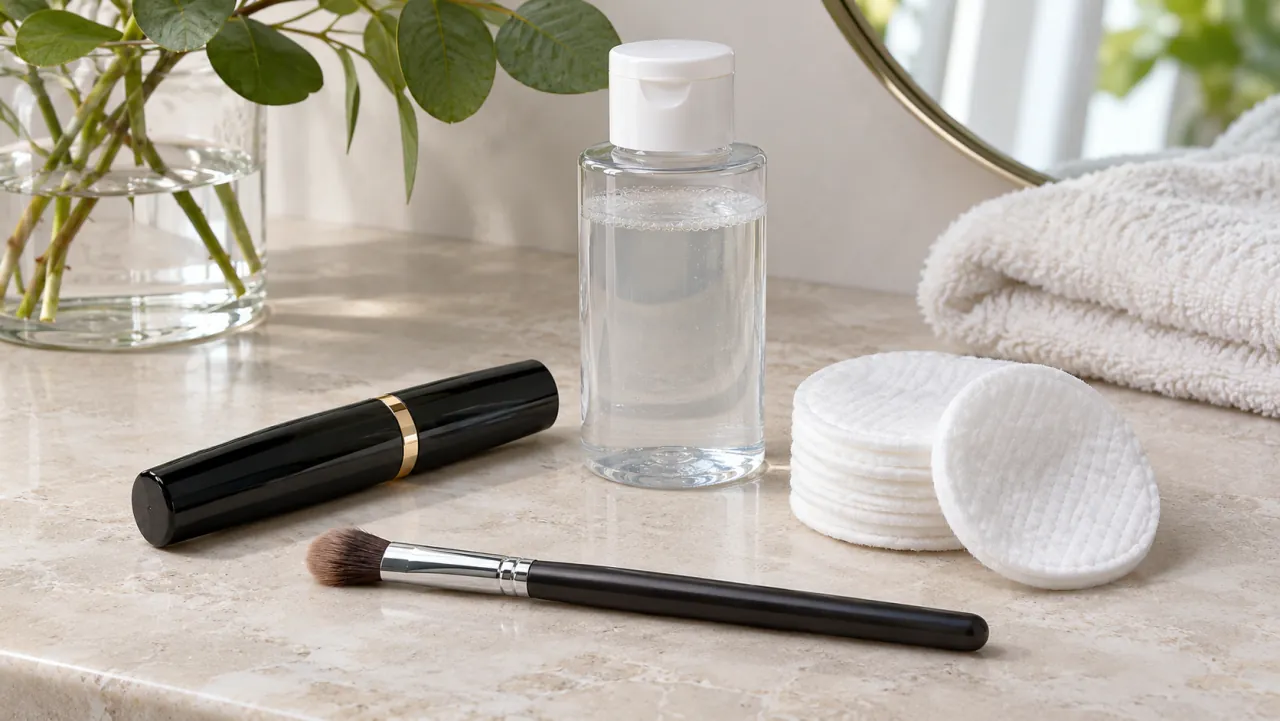
A makeup routine is often built around colour, texture and how long the result lasts. Hygiene can receive less attention until a mascara starts flaking, a brush feels rough or the eyes become irritated near the end of the day. By then, it can be difficult to remember when a product was opened or which new item entered the routine.
The skin around the eyes, the eyelid margins and the eye surface are close neighbours. Products intended for one area can move into another through blinking, rubbing or removal. Clean tools and sensible handling reduce avoidable problems, but even a carefully used product can cause irritation or an allergic reaction in some people.
Eye makeup hygiene in North York is not about giving up a personal style. It is about making the routine easier to manage, particularly if you wear contact lenses, have sensitive eyelids or regularly apply makeup before a commute. The most useful changes are small enough to become ordinary habits.
Start with clean hands and a stable place to work
Wash your hands before applying makeup near the eyes or handling contact lenses. Dry them thoroughly and keep the products on a clean surface. Touching a phone, opening a delivery package and then returning to eye makeup can undo the benefit of an otherwise careful setup.
Choose a stable position with enough light to see what you are doing. Applying mascara on a moving bus, in a car or while walking through a room leaves less control over an applicator close to the eye. Even as a passenger, a sudden stop can turn an ordinary movement into an injury.
Health Canada’s eye-cosmetics guidance emphasizes hand hygiene, avoiding shared products and stopping a product that causes irritation. Those basics matter more than an elaborate routine that is difficult to follow consistently.
Keep products personal
Sharing a mascara wand or eyeliner can transfer material between people and into the product container. A friendship or family relationship does not remove that possibility. Keep eye cosmetics personal, including items used only for a special event.
Retail testers need caution too. A fresh disposable applicator does not necessarily make a product uncontaminated if previous users have returned used applicators to the container. Avoid putting an uncertain tester directly around the eyes. Colour can often be assessed without applying the shared product to that area.
When using a makeup service, ask about clean tools and single-use applicators. The practical question is how products are dispensed and how recontamination is prevented during the application. A tidy workstation is reassuring, but the handling process matters as much as the appearance of the counter.
Track opening dates before memory becomes unreliable
Many products look similar months after opening, so appearance alone is a poor calendar. Write the opening date on the container or keep a simple note. Follow the manufacturer’s period-after-opening or replacement instructions where supplied.
Mascara deserves particular attention because the applicator repeatedly moves between the lashes and the container. The FDA’s eye-cosmetic safety information discusses contamination and the need to discard old or dried-out products. Do not assume that using a product only occasionally means it remains suitable indefinitely.
Changes in smell, colour or texture are reasons to stop using a product even if its expected replacement date has not arrived. Keep enough packaging information to identify the item if there is a problem. A small purchase date note can also help when several similar tubes are in use.
Do not revive dried products with water or saliva
A dried mascara can feel wasteful to discard, particularly when much of the tube seems unused. Adding liquid changes the product and may introduce contamination. Saliva is especially unsuitable, and tap water is not a safe cosmetic-preservation system.
Use a product only as directed. If a formula no longer applies properly, replace it rather than experimenting with household ingredients. The same principle applies to a liner or cream that has changed texture: a recipe found online is not evidence that the altered product is appropriate near the eyes.
Keep lids closed between uses and avoid leaving containers open while doing unrelated tasks. Store products away from excessive heat and contamination. A makeup bag left in a vehicle can experience conditions very different from those on a bedroom shelf.
Give brushes and tools a separate care routine
Brushes, curlers and reusable applicators collect product residue and material from the skin. Clean them according to their instructions, rinse where appropriate, and let them dry thoroughly in a clean place. Putting a damp tool into a closed, dirty bag undermines the cleaning effort.
Inspect tools for damage. A bent curler, rough edge or loose component should not be used near the eye simply because it still works mechanically. Replace worn pads or other parts as directed by the manufacturer, and stop using a device that no longer closes or aligns predictably.
Keep clean tools separate from used ones. This can be as simple as two designated sections in a case. A complicated schedule is less helpful than a repeatable system that makes it obvious which brush is ready to use and which needs attention.
Contact-lens wear adds another step
For many soft-contact-lens wearers, inserting lenses with clean hands before applying makeup and removing them before makeup removal helps reduce product transfer. Follow any specific instructions from your eye-care professional, particularly for specialized lenses or an existing eye-surface condition.
Johns Hopkins Medicine offers cosmetic guidance for contact-lens wearers, including clean tools, careful product placement and avoiding loose particles that can irritate the eye. A lens can collect deposits even when the makeup itself looks tidy on the eyelid.
Keep the lens-care area free from sprays, powders and nail products. If a lens becomes uncomfortable after makeup application, do not repeatedly add more product or rub the eye. Remove the lens when safe to do so, follow the prescribed care instructions, and seek advice for persistent symptoms.
Placement matters as much as the product label
Use products only in the areas for which they are intended. A lip pencil and an eyeliner may look similar, but their formulation and contamination history can differ. Do not move a product from the mouth area to the eyelid simply because the colour is suitable.
Avoid applying liner along the wet inner lid margin where material can readily mix with the tear film. Keep loose glitter and other particles away from the eye surface. Contact-lens wearers and people with recurring irritation may need to be particularly selective about products that shed.
If a specific technique repeatedly causes discomfort, change the technique and discuss the symptoms rather than looking for a drop that allows you to continue through irritation. A comfortable eye surface is more useful than a routine that requires the eyes to recover afterward every day.
Labels cannot promise that your eyes will tolerate a product
Words such as “natural,” “clean” or “hypoallergenic” do not guarantee that a product will suit every person. An ingredient’s origin does not determine whether you can react to it. The FDA’s guidance on using cosmetics safely explains why label terms need careful interpretation.
Read the ingredient list and warnings, especially if you have had a previous reaction. Keep a record of the product involved instead of assuming all products of the same type will cause the same problem. An optometrist or another appropriate clinician can help decide whether further assessment is needed.
Introduce changes thoughtfully. Trying several new eye products on the same day can make a reaction difficult to trace. This does not guarantee prevention, but a simpler routine and a clear record make the next conversation more useful if symptoms occur.
Eyelash adhesives deserve particular care
False lashes and extensions bring adhesive close to delicate tissue. Irritation, allergy and accidental exposure are possible even when the cosmetic result looks good. Health Canada specifically cautions that extension glue can bond eyelids and that appropriate professional application is important.
Ask how the eyes will be protected, what adhesive is used and what aftercare is recommended. If you have previously reacted to lash glue, tell the person performing the service before proceeding. Do not assume that a different marketing description removes the possibility of another reaction.
If adhesive enters the eye or the eyelids become stuck, do not pull forcefully or apply nail-polish remover or another household solvent. Obtain urgent medical or poison-control advice appropriate to the exposure. Keep the product information available so the clinician knows what substance was involved.
Remove makeup without turning it into a scrubbing task
Remove eye makeup before sleep using a product intended for the area and according to its directions. Give the remover time to work if the instructions call for it. Repeated forceful rubbing can irritate the lids and push residue towards the eye.
Use a clean applicator or pad, and avoid dragging the same heavily soiled area repeatedly across the lashes. Keep the eye closed where appropriate and rinse if the product instructions require it. If removal consistently stings, reconsider the remover and discuss persistent symptoms.
Contact lenses should be managed before this step according to your prescribed routine. A lens that remains on the eye can collect remover or makeup residue. Having glasses ready makes it easier to stop lens wear without trying to finish the evening through an irritated lens.
Pause makeup when the eyes or eyelids are inflamed
Redness, swelling, discharge or an uncomfortable lid margin is a reason to stop eye makeup and seek appropriate advice. Covering the appearance with more product can complicate removal and make it harder to observe whether the problem is changing.
If an infection is diagnosed, ask which products and tools need discarding or cleaning before you resume use. Eye cosmetics used during an infection may be contaminated. Do not share them or keep them as a spare for later.
Avoid self-treating a red eye with leftover prescription drops, especially steroid drops. Different conditions can look similar in a mirror and require different management. A contact-lens wearer with a painful red eye or reduced vision should obtain prompt assessment rather than waiting for a cosmetic reaction to settle.
Bring useful details to an eye-care visit
Record when symptoms began, which eye is affected, and whether the discomfort follows a particular product or removal step. Bring product names, ingredient photographs and contact-lens information if relevant. You do not need to apply the suspected product again to demonstrate the reaction.
Seek urgent care for significant pain, reduced vision, strong light sensitivity, an injury or a chemical exposure. For recurring milder irritation, an eye examination can help assess the eyelids and eye surface and guide the next steps.
You can request an appointment in North York and explain how the symptoms relate to your routine. The goal is to identify what needs attention while keeping the everyday process manageable: clean hands, personal products, cared-for tools, gentle removal and a willingness to pause when the eyes are telling you something has changed.