

Eye Care Resources
Diabetic Eye Exams in Toronto: Why Regular Retina Checks Matter
November 27, 2025
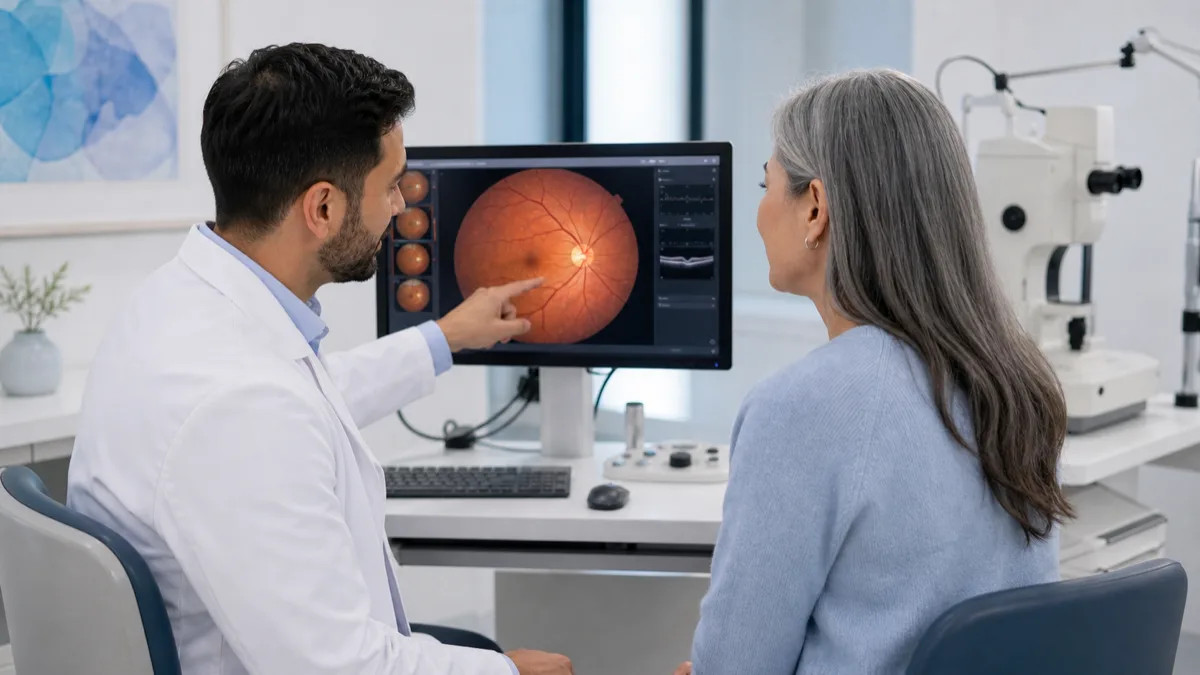
Diabetes can affect many parts of the body, including the eyes. One of the reasons diabetic eye care is so important is that early changes may not cause obvious symptoms. Vision can seem stable while small blood vessels in the retina are already under stress. By the time vision changes become noticeable, the condition may be more advanced. Regular diabetic eye exams help detect changes earlier and support timely care.
The retina is the light-sensitive tissue at the back of the eye. It depends on healthy blood vessels. Diabetes can damage those vessels, causing leakage, swelling, bleeding, or abnormal new vessel growth. These changes are often grouped under diabetic retinopathy. Diabetes can also increase the risk of other eye concerns, including cataracts and glaucoma.
At Optima Eye Care in North York, diabetic eye exams focus on careful assessment, clear explanation, and appropriate follow-up. If you live with diabetes, eye care is not just about glasses. It is part of protecting long-term vision.
Why diabetic eye disease can be silent
Many eye conditions are most dangerous when they are quiet. Diabetic retinopathy may begin without pain, redness, or dramatic blur. Small retinal changes can develop gradually. A person may continue driving, reading, and working without realizing anything is changing.
This is why waiting for symptoms is not a reliable strategy. A comprehensive diabetic eye exam can identify signs that are not visible in the mirror and not noticeable during daily life. Retinal imaging, dilation, and careful examination allow your optometrist to assess the back of the eye more thoroughly.
If changes are found, the next step depends on severity. Some patients need monitoring and communication with their diabetes care team. Others may need referral to an ophthalmologist or retina specialist. Early detection gives more room for good decisions.
How diabetes affects retinal blood vessels
High blood sugar over time can damage small blood vessels throughout the body. In the eye, damaged retinal vessels may leak fluid or blood. The retina may develop tiny bulges in blood vessel walls, small hemorrhages, or areas with reduced circulation. If the retina does not receive enough oxygen, it may signal for abnormal new blood vessels to grow.
These abnormal vessels are fragile and can bleed. Fluid can also collect in the macula, the central part of the retina responsible for detailed vision. This is called diabetic macular edema and can affect reading, recognizing faces, and seeing fine detail.
Not every person with diabetes develops serious eye disease, but risk increases with duration of diabetes, blood sugar control, blood pressure, cholesterol, pregnancy, kidney disease, and other health factors. Your eye care schedule should reflect your personal risk.
Type 1, type 2, and gestational diabetes
Both type 1 and type 2 diabetes can affect the eyes. People with type 1 diabetes often develop the condition earlier in life, so long-term monitoring is important. People with type 2 diabetes may have had elevated blood sugar for some time before diagnosis, which means an eye exam soon after diagnosis is often recommended.
Gestational diabetes can also affect eye care decisions, especially if diabetes existed before pregnancy or if retinal changes are present. Pregnancy can sometimes influence diabetic retinopathy progression. Patients who are pregnant or planning pregnancy should discuss eye care timing with their health care team.
The key point is that diabetic eye care should be proactive. Your optometrist, family doctor, endocrinologist, and other care providers may all play a role in protecting your vision and overall health.
What happens during a diabetic eye exam?
A diabetic eye exam includes questions about your diabetes history, blood sugar control, medications, blood pressure, symptoms, and previous eye findings. Your optometrist will check your vision and prescription, but the retina is a major focus.
The exam may include retinal imaging to document the appearance of the back of the eye. Dilation may be recommended to allow a wider view of the retina. Eye pressure and other eye health checks may also be included. If changes are found, the optometrist may recommend follow-up intervals, additional testing, reports to your physician, or referral.
Bring a list of medications and any recent diabetes-related information you know, such as A1C, blood pressure concerns, or changes in treatment. You do not need perfect numbers to book an exam. The purpose is to understand your eyes as they are now and plan appropriate care.
Symptoms that need prompt attention
Although diabetic eye disease can be silent, some symptoms should be assessed promptly. These include sudden blurred vision, new floaters, dark spots, missing areas of vision, distortion, sudden vision loss, eye pain, or flashes of light. If you notice a curtain-like shadow or major sudden change, seek urgent care.
Fluctuating vision can happen when blood sugar levels change. Some people notice blur when glucose is high or changing quickly. This does not mean every blur is harmless. If vision changes persist or are sudden, book an eye exam.
Do not wait for your next routine appointment if something feels different. It is better to ask and be reassured than to delay care for a potentially serious change.
Blood sugar, blood pressure, and eye health
Eye care is connected to overall diabetes management. Good blood sugar control can reduce the risk of diabetic eye disease progression. Blood pressure and cholesterol also matter because they affect blood vessel health. Smoking, kidney disease, and other health issues can influence risk as well.
Your optometrist cannot manage diabetes alone, but eye findings can provide important information. Sometimes retinal changes suggest that systemic control should be reviewed. Communication between eye care and medical care can help patients receive more complete support.
If your eye exam shows diabetic changes, try not to panic. Findings vary widely. Some changes are mild and monitored. Others need more urgent attention. Clear explanation helps you understand what was seen and why a particular follow-up plan is recommended.
Why retinal images are useful
Retinal imaging creates a record of the back of the eye. This can be helpful for comparison over time. If a small spot, hemorrhage, or vessel change appears, previous images can help determine whether it is new, stable, or progressing.
Images do not replace every part of an exam. Dilation or additional testing may still be needed. But imaging can improve documentation and help patients see what the optometrist is discussing. Many people find it easier to understand eye health when they can look at the image with the doctor.
For diabetic eye care, tracking change is often as important as detecting a single finding. A baseline image can make future visits more informative.
How often should diabetic eye exams happen?
The right schedule depends on diabetes type, duration, control, pregnancy status, previous eye findings, and recommendations from your health care team. Many patients with diabetes are advised to have regular retinal evaluation, often annually, but some need more frequent monitoring.
If diabetic retinopathy is present, follow-up may be sooner. If you have no changes and stable health, your schedule may be routine. Your optometrist can recommend timing based on your exam findings and risk factors.
Do not skip eye exams because your vision seems fine. Diabetic eye care is preventive. The goal is to catch changes before they threaten vision.
Eye exams and glasses prescriptions
Blood sugar fluctuations can temporarily affect vision. If your glucose levels are changing significantly, your glasses prescription may also seem unstable. In some cases, it is better to wait until blood sugar is more stable before finalizing a new prescription, unless immediate correction is needed.
Tell your optometrist if your diabetes treatment recently changed or if your blood sugar has been fluctuating. This context helps interpret prescription changes and symptoms.
If you have diabetic eye disease affecting the macula or retina, glasses alone may not fully solve blur. That is why eye health evaluation is essential when vision changes occur.
The emotional side of diabetic eye care
Some patients avoid diabetic eye exams because they fear bad news. That reaction is understandable, but avoidance does not protect vision. Information gives you options. If everything looks healthy, you gain reassurance. If changes are present, you can take action earlier.
A supportive eye care visit should be clear, respectful, and practical. You should understand what was checked, what was found, what it means, and when to return. You should also feel comfortable asking questions.
Diabetes care already involves many appointments and responsibilities. Eye care may feel like one more task, but it is one of the most important ways to protect independence and quality of life.
The bottom line
Diabetic eye exams matter because diabetes can affect the retina before you notice symptoms. Regular exams help detect changes, guide follow-up, and connect eye health with overall diabetes care. If you have diabetes, do not wait for blur or pain before booking.
Optima Eye Care provides comprehensive eye exams in Toronto and North York, including retinal assessment for patients with diabetes. Book your diabetic eye exam and take a proactive step toward protecting long-term vision.